Might a refreshed ecotheater be found in a nest of Chilean vampires?
In this publication, I perform an ecodramaturgical analysis of VAMPYR by Manuela Infante to reveal the unstated assumptions that guide traditional, “naturalistic” ecotheatre, and propose three tenets for renewed ecotheatre: a de-stabilization of what ‘counts’ as natural, treating science and positivism as one source of knowledge among many, letting feeling and embodiment reveal forms of power that create or cause environmental degradation.
The paper, “Los Vampiros del Turno Nocturno: Reainmating Ecotheatrical Strategies with ‘unnaturalist’ Theatre,” was published in July 2026, as part of Volume 36, No. 2 of Theatre Topics, edited by Brian D. Valencia and Bryan Vandevender.
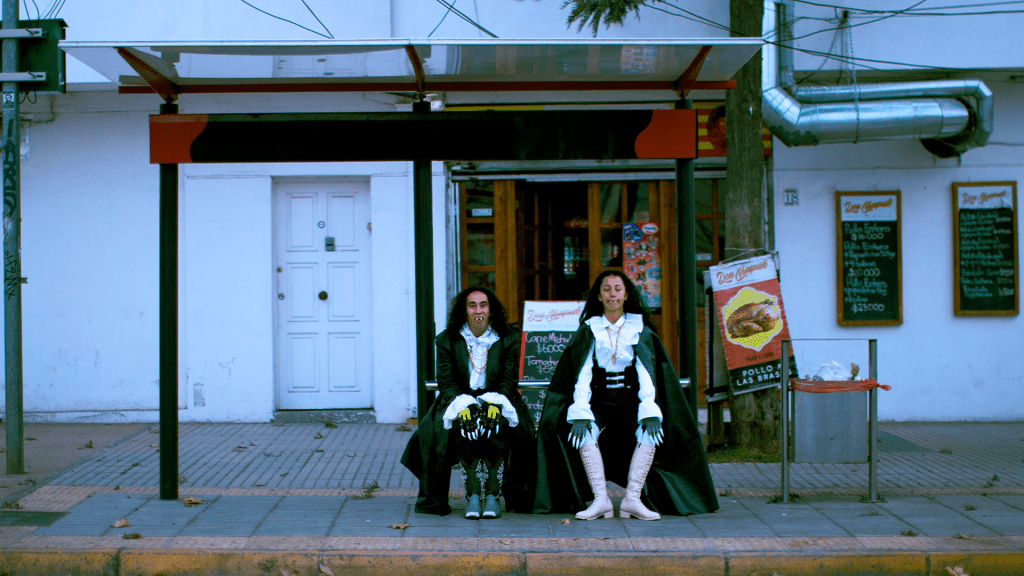
Abstract. This article theorizes “unnaturalist” ecotheatre as a mode of performance that situates its environmental critique within the contingent, embodied nature of environmental knowledge, rather than relying exclusively on scientific epistemology. Drawing on an ecodramaturgical analysis of Chilean writer-director Manuela Infante’s VAMPYR (2024), it identifies three tenets of unnaturalist ecotheatre: 1) destabilizing otherwise “natural” categories; 2) treating science and positivism as two organizing logics among many; and 3) expanding epistemic registers into feeling and embodiment to reveal hidden forms of power. It argues that VAMPYR’s assemblage
of Gothic mythology, biological evidence, and labor exploitation circumvents the conventions of naturalist ecotheatre, which tend to ground dramatic conflict in scientific knowledge while reinforcing individualism and obscuring systemic causes. Unnaturalist theatre, this article proposes, can make sense of environmental degradation where science, policy, and activism cannot.
 khristián méndez aguirre
Leave a comment